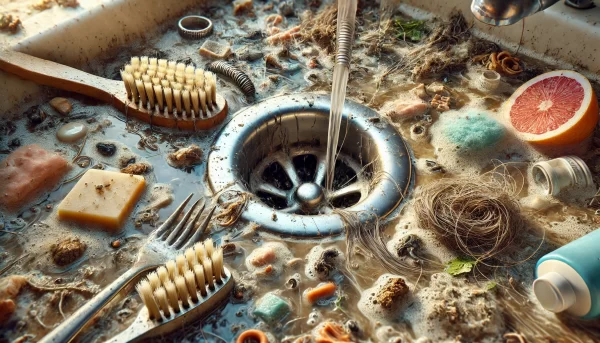
Blocked drains are a common household problem that can lead to inconvenience, unpleasant odors, and potential water damage if not addressed promptly. Understanding the various causes of clogged drains is essential for effective prevention and maintenance. This article delves into the primary reasons behind drain blockages, offering insights into how to identify and mitigate these issues to maintain a smoothly functioning plumbing system.
Accumulation of Hair and Soap Scum
One of the most prevalent causes of clogged drains, especially in bathrooms, is the accumulation of hair and soap scum. Hair strands tend to bind together and adhere to the walls of pipes, gradually building up and restricting water flow. When combined with soap residue, this mixture forms a sticky mass that traps other debris, exacerbating the blockage.
Regular cleaning of bathroom drains, using drain guards to catch hair, and minimizing the use of excessive soap can help prevent this type of clog. Additionally, periodic flushing of drains with hot water or using a mixture of baking soda and vinegar can break down soap scum and dislodge hair strands, maintaining clear and efficient drains.
Grease and Fat Buildup
In kitchen sinks, grease and fat from cooking are major contributors to clogged drains. When poured down the drain, these substances cool and solidify inside the pipes, trapping food particles and other debris. Over time, this buildup narrows the pipe diameter, making it difficult for water to flow freely and leading to persistent clogs.
To prevent grease-related blockages, avoid pouring grease, oil, or fat down the kitchen sink. Instead, collect them in a container and dispose of them in the trash once cooled. Additionally, using a sink strainer can catch food scraps and prevent them from entering the drain. Regularly flushing the sink with boiling water or a vinegar and baking soda solution can help dissolve minor grease deposits and maintain clear pipes.
Foreign Objects and Debris
Foreign objects and debris can easily find their way into drains, particularly in household environments where small items may accidentally be flushed or washed down the sink. Items such as jewelry, toys, sanitary products, and paper towels can become lodged in pipes, causing significant blockages that impede water flow.
To mitigate this issue, always use drain guards or strainers to catch small items before they enter the drain. Educating household members, especially children, about what should and should not be flushed can also reduce the risk of foreign objects causing clogs. If an object does cause a blockage, it may require professional assistance to safely remove it without damaging the plumbing system.
Tree Roots Intruding into Pipes
In older homes, tree roots can intrude into underground sewer pipes, leading to severe blockages and pipe damage. Tree roots are attracted to the moisture and nutrients within the pipes and can penetrate through small cracks or joints, expanding as they grow and causing significant disruptions to the drainage system.
Preventing root intrusion involves regular inspection of sewer lines, especially in homes surrounded by large trees. Installing root barriers around pipes can deter roots from growing into them. If tree roots have already invaded the pipes, professional intervention is necessary to remove the roots and repair any damaged sections of the sewer system, ensuring uninterrupted drainage and preventing further issues.
Mineral Buildup in Hard Water Areas
In regions with hard water, high levels of minerals such as calcium and magnesium can accumulate inside pipes, fixtures, and appliances, leading to restricted water flow and clogged drains. This mineral buildup, also known as scale, can create rough surfaces inside pipes, making it easier for debris to adhere and form blockages.
Installing a water softener can help reduce mineral content in the water, preventing scale formation and prolonging the lifespan of plumbing systems. Regular descaling of pipes and fixtures, using products designed to dissolve mineral deposits, can also mitigate the impact of hard water and maintain clear, efficient drains.
Improper Installation and Pipe Design
Improper installation and poor pipe design can contribute to frequent drain clogs and plumbing issues. Pipes that are installed with incorrect slopes, insufficient diameter, or poor alignment can create conditions that favor debris accumulation and water flow restrictions. Additionally, the use of low-quality materials or incompatible pipe connections can weaken the plumbing system, making it more susceptible to blockages.
Ensuring that plumbing systems are designed and installed by qualified professionals can prevent these issues. Adhering to building codes, using appropriate pipe materials, and incorporating adequate slopes for drainage are critical for maintaining a functional and clog-resistant plumbing system. Regular inspections can identify and rectify installation-related problems before they lead to significant clogs and drainage issues.
High Water Pressure and Rapid Flow Rates
Excessively high water pressure and rapid flow rates can exacerbate the risk of clogged drains. High water pressure can cause pipes to wear out faster and create turbulence that carries debris deeper into the drainage system, making it more challenging to remove blockages. Additionally, rapid flow rates can overwhelm drains, preventing efficient water movement and leading to backups.
Installing water pressure regulators can help maintain optimal water pressure levels, reducing the strain on pipes and minimizing the likelihood of clogs. Adjusting flow rates at fixtures and using water-efficient appliances can also contribute to a more balanced and manageable drainage system, preventing excessive turbulence and promoting smoother water flow.
Poor Maintenance and Neglect
Neglecting regular maintenance of drains and plumbing systems can lead to the gradual accumulation of debris and the development of stubborn clogs. Without routine cleaning and inspection, minor issues can escalate into significant blockages that require professional intervention. Factors such as infrequent drain cleaning, ignoring early signs of clogs, and failing to address leaks or pipe damage contribute to the overall decline of plumbing health.
Implementing a regular maintenance schedule, including periodic drain cleaning, inspections, and prompt repairs of any plumbing issues, is essential for preventing clogs and maintaining a healthy drainage system. Utilizing natural cleaning solutions, such as baking soda and vinegar, can complement professional maintenance efforts by keeping drains clear and reducing the buildup of harmful substances.
Preventative Measures to Avoid Clogged Drains
Taking proactive steps to prevent clogged drains can save time, money, and the hassle of dealing with unexpected plumbing issues. Implementing simple habits, such as using drain guards, avoiding the disposal of inappropriate items, and regularly flushing drains with hot water or natural cleaners, can significantly reduce the risk of blockages.
Educating household members about proper drain usage and maintenance practices is also crucial for prevention. Additionally, investing in professional inspections and maintenance services can help identify and address potential issues before they lead to clogs. By prioritizing preventative measures, homeowners can ensure that their plumbing systems remain efficient and free from common drainage problems.
Conclusion
Clogged drains are a frequent yet manageable issue that can disrupt daily routines and pose risks to household health and safety. Understanding the various causes of drain blockages, from hair and grease buildup to foreign objects and tree root intrusions, is essential for effective prevention and maintenance. By adopting proactive measures, such as using drain guards, avoiding improper disposal of materials, and conducting regular maintenance, homeowners can maintain clear and efficient drains. In cases where clogs persist or become severe, seeking professional plumbing assistance ensures that issues are resolved safely and effectively, preserving the integrity of the plumbing system and enhancing the overall functionality of the home.