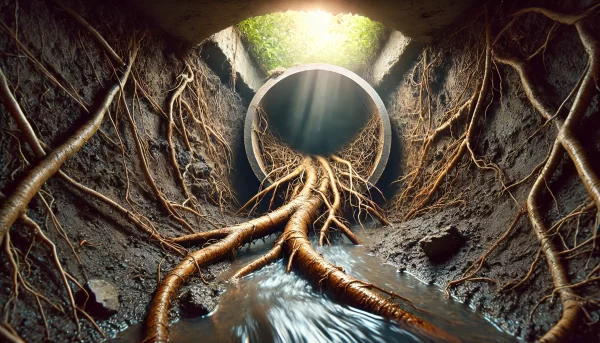
Over time, trees can pose a significant threat to your plumbing system, specifically through their roots infiltrating drain lines. As roots search for moisture and nutrients, they may penetrate cracked or damaged pipes, leading to blockages and costly repairs. Understanding how this process occurs and what you can do to prevent it is necessary for maintaining a healthy drainage system. In this post, you will learn about the signs of root invasion and effective strategies to safeguard your pipes from these invasive roots.
Understanding Tree Root Growth
For homeowners, understanding how tree roots grow is important in preventing potential drainage issues. Tree roots generally extend outward and downward in search of water and nutrients, which can lead them to infiltrate drain lines. Recognizing the growth patterns of tree roots and their need for moisture can help you take preventive measures around your property.
Types of Tree Roots
For better understanding, it’s useful to categorize tree roots into various types:
- Taproots
- Lateral roots
- Fibrous roots
- Adventitious roots
- Surface roots
Recognizing the types of roots your trees have will help you understand their potential impacts on your drainage systems.
| Root Type | Description |
| Taproots | Deep central root for anchoring. |
| Lateral roots | Extend horizontally from the taproot. |
| Fibrous roots | Thin roots that form a dense network. |
| Adventitious roots | Roots that grow from non-root tissues. |
| Surface roots | Roots that grow close to the ground surface. |
Factors Influencing Root Infiltration
Infiltration of tree roots into your drain lines can be influenced by several factors. These include soil conditions, moisture availability, tree species, and the proximity of trees to drainage systems. Being aware of these factors can help you assess the risk of root intrusion at your property.
- Soil moisture levels
- Soil type and density
- Tree age and health
- Proximity to drains
- Seasonal variations
Recognizing how these factors interact will enable you to take proactive measures to safeguard your drainage systems from intrusive tree roots.
Hence, understanding the environmental conditions and tree characteristics is vital for managing root infiltration issues effectively. Considerations like tree species can significantly influence root growth patterns and the depth of your drainage lines. Monitoring the health and location of your trees can prevent further damage and save you from costly repairs. The factors affecting root infiltration may include seasonal weather changes, compaction of soil, and the presence of adjacent vegetation. Recognizing these elements will enhance your ability to mitigate root-related drainage problems.
How Tree Roots Damage Drain Lines
If you think tree roots are harmless, think again. Just like mineral buildup, they can cause significant damage to your drain lines by infiltrating and blocking them, leading to costly repairs. As roots search for moisture and nutrients, they find their way into small cracks or joints in the pipes, causing potential clogs and back-ups. Understanding how roots damage drain lines is key to preventing these issues in your yard.
Mechanisms of Infiltration
Mechanisms of root infiltration are primarily driven by the search for water. Tree roots can exert tremendous pressure as they grow, penetrating cracks in pipes and expanding them further. Once inside, the moisture-rich environment encourages more root growth, creating a vicious cycle that leads to increased obstruction and more significant drain issues.
Signs of Drain Line Damage
Line damage from tree roots can be subtle at first, but you should be on the lookout for several signs. Unpleasant odors, slow drainage, gurgling sounds in your pipes, and unexpected wet patches in your yard can indicate that roots are interfering with your drain lines, requiring immediate attention.
And as the problems escalate, the signs of drain line damage become even more evident. Frequent backups and overflows may occur, and you could notice an increase in pests drawn to stagnant water. Ignoring these signs can lead to serious drainage issues and costly repairs, underscoring the importance of vigilance in maintaining your outdoor space.
Prevention Strategies
Assuming you want to protect your drain lines from invasive tree roots, consider implementing preventive actions early on. Regularly inspecting your property and planting trees a safe distance away from underground plumbing can significantly reduce the risk of root infiltration. Installing root barriers can also help maintain a healthy boundary between your trees and your drains, allowing you to enjoy your landscaping while keeping your plumbing intact.
Choosing the Right Tree Species
Behind every successful landscaping project is a careful choice of tree species. Opt for tree varieties known for shallow root systems, as they are less likely to invade your drain lines. Native trees, which adapt well to your local soil and climate, often have less aggressive root growth, allowing you to enhance your yard without compromising the integrity of your plumbing.
Maintaining Healthy Drain Systems
Systems that are regularly maintained are less prone to root intrusion. Ensure you inspect your drains periodically, clearing any debris and checking for early signs of blockage. Consider hydro-jetting services to keep your pipes flowing freely and inspect your sewer lines for cracks or weaknesses that may attract roots.
Understanding your drain systems and their maintenance needs is critical for preventing tree root problems. Regular cleanings and inspections can help identify issues before they escalate. Using products that deter root growth can also enhance the resilience of your drainage systems. Always stay attentive to your landscape’s changes, ensuring that trees do not grow too close to your plumbing and scheduling professional assessments when needed.
Detection and Diagnosis
Not all drain issues are apparent, making it necessary to perform a thorough diagnosis. Tree roots can cause significant blockages and damage within your drain lines, leading to slow drainage or gurgling sounds in your plumbing. You should be vigilant for signs of problems and utilize effective methods to pinpoint the exact cause of any drainage issues, particularly if you suspect root infiltration as a potential culprit.
Inspection Techniques
An effective way to diagnose tree root intrusion is through visual inspections. You can utilize access points such as cleanouts or inspection ports to check for visible roots. Additionally, observing your yard for abnormal growth patterns in trees and shrubs can help identify which roots may be impacting your drainage system.
Tools for Root Detection
An array of tools is available for detecting root infiltration, enabling you to pinpoint the problem more accurately. Among these tools, video inspection cameras are particularly effective in providing real-time images of your drain lines, allowing for clear identification of blockages and root presence.
Hence, using video inspection cameras offers a detailed view of your plumbing system. Coupled with rooter machines that can cut through roots, these tools help assess the severity of the issue and guide you in determining the necessary steps for proper removal and preventative measures. Investing in these technologies ensures you have the best chance of maintaining your drain lines against tree root damage.
Mitigation and Repair Solutions
Keep vigilant about your property’s plumbing system to prevent tree roots from infiltrating your drain lines. Regularly inspect your drainage systems and surrounding trees, and consider maintaining a safe distance between large roots and your pipes. If you have experienced root intrusion, seeking a professional or using DIY methods can help mitigate the damage and restore functionality.
Professional Interventions
Before you attempt to resolve root intrusion issues, it’s wise to consult a professional plumber. They can employ specialized tools like video cameras to inspect your pipes and assess the extent of the damage. Additionally, they may offer advanced solutions such as hydro jetting or root-repellent chemicals that will effectively protect your drainage system.
DIY Repair Methods
One effective DIY method for handling minor root intrusion is using a root removal product designed for drainage systems. You can also employ a drain snake to clear the line, removing any root clumps and debris that might be blocking water flow.
At the same time, consider using a combination of mechanical and chemical solutions. For instance, after clearing the roots, you might pour a mix of salt and hot water down the drain as a natural deterrent. This helps to inhibit future growth and can be a simple, effective measure to keep your drainage system clear. Regular maintenance and monitoring of your lawn can also aid in keeping aggressive tree roots at bay.
Notable Repair Failures
After examining repair failures, it is evident that many homeowners encounter recurring drainage problems due to ineffective or temporary fixes for tree root intrusions. In an Bungarribee case, a homeowner faced multiple expensive repairs despite initial root removal, as they neglected to eliminate the tree causing the intrusion.
This pattern of recurring failures often stems from a lack of long-term planning. Quick fixes tend to overlook the underlying issues, such as the presence of invasive roots from nearby trees. Without a strategic approach to both removal and monitoring, you may find yourself grappling with the same drainage problems repeatedly, leading to increased frustration and costs over time.
Conclusion
Understanding the impact of tree roots infiltrating drain lines is vital for maintaining your plumbing system’s integrity. You should regularly inspect your property for signs of root intrusion, as early detection can save you significant time and money on repairs.
Implementing preventative measures, such as installing root barriers and choosing the right tree species, can help protect your drain lines from future infiltration. By staying proactive and working with a blocked drains expert, you can ensure that your drains remain clear and functional, safeguarding your home from potential water damage.