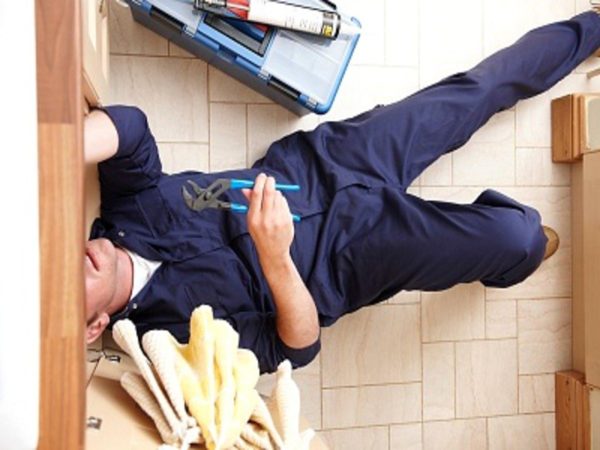
Plumbing systems serve as the backbone of your new home, ensuring the efficient flow of water and waste management. As you commence on the journey of new home plumbing installation, understanding the key components and processes will empower you to make well-informed decisions. From selecting the right materials to the layout of pipes, each step plays a vital role in creating a reliable system. This guide will provide you with valuable insights into best practices, common pitfalls, and vital tips to help you achieve a functional and effective plumbing system for your new residence.
Understanding Plumbing Systems
As you begin on your residential plumbing installation, it’s imperative to grasp the fundamentals of plumbing systems. These systems provide a steady supply of water to your home while effectively managing waste. Understanding the key components and their functions can help you make informed decisions about installations, maintenance, and future upgrades.
Overview of Plumbing Components
The main components of your plumbing system include pipes, fixtures, valves, and water heaters. Each part plays a vital role in delivering clean water and removing waste. Knowing these elements allows you to effectively manage your home’s plumbing and troubleshoot any issues that may arise.
Types of Plumbing Systems
- Drainage and Waste Vent Systems
- Water Supply Systems
- Sewage Systems
- Stormwater Management Systems
- Gas Plumbing Systems
The understanding of these systems is imperative for effective plumbing installation and maintenance.
| Type of System | Description |
| Drainage and Waste Vent | Removes waste and vent air. |
| Water Supply | Delivers fresh water to fixtures. |
| Sewage | Handles wastewater treatment. |
| Stormwater | Manages rain runoff. |
| Gas Plumbing | Supplies natural gas for heating. |
Above all, understanding the types of plumbing systems will empower you to maintain your new home more effectively. Each system addresses specific needs, and knowing these can save you time and money. Identifying the right design for your home can enhance your comfort and efficiency.
- Analyze your water needs carefully.
- Choose the right drainage system.
- Consider how each system affects your home.
- Inspect for local building codes.
- Seek professional advice if needed.
The application of this knowledge will lead to a smoother installation process.
| Aspect | Consideration |
| Building Codes | Ensure compliance with local regulations. |
| Material Choices | Opt for durable materials like PVC or copper. |
| System Layout | Plan the efficient routing of pipes. |
| Future Needs | Consider potential expansions or renovations. |
| Professional Installation | Ensure expert handling for reliability. |
And, using the right planning and understanding can prevent many common plumbing issues in the future. Prioritize quality installation to reduce repairs and improve safety. By knowing how each component interacts, you can extend the life of your plumbing system.
- Prioritize regular maintenance checks.
- Watch for leaks or signs of wear.
- Follow up on any emergency repairs.
- Educate yourself on simple repairs.
- Consult a plumber for complex issues.
The proactive approach will ensure your plumbing systems function optimally for years to come.
Planning Your New Home Plumbing
Some key aspects of planning your new home plumbing involve considering both functionality and efficiency. You need to think about how your plumbing system will serve your lifestyle, including the number of bathrooms, kitchen sinks, and appliances, as well as future expansion needs. By carefully planning, you can ensure that every installation meets your household requirements and operates seamlessly.
Assessing Water Supply Needs
Against the backdrop of your home’s layout, evaluating your water supply needs is important for efficient plumbing. Consider the number of fixtures and appliances that will require water, and assess whether your existing water supply can meet those demands. This evaluation helps in determining pipe sizes, flow rates, and water pressure adjustments necessary for optimal performance.
Designing Drainage and Venting Systems
Venting plays a significant role in your plumbing system’s overall efficiency. Proper venting allows sewer gases to escape and helps maintain air pressure within the drainage system, preventing siphoning. By designing an effective drainage system that includes vents, you can ensure that wastewater flows smoothly away from your home without causing any blockages or unpleasant odors.
Water management begins with understanding your home’s layout and the placement of drains and vents. Designing a drainage and venting system that aligns with the plumbing fixtures will help optimize performance. A well-designed system minimizes the risk of clogs and ensures that all waste is expelled efficiently. Incorporating air admittance valves and maintaining proper slope in the drainage pipes contribute to a system that functions effectively and reliably.
Materials and Tools Required
You will need a variety of materials and tools to successfully install plumbing in your new home. Selecting the right supplies will ensure your plumbing system functions efficiently and lasts for years to come. From pipes to fittings, having the appropriate tools on hand will facilitate a smoother installation process.
Commonly Used Plumbing Materials
To begin with, familiarize yourself with the commonly used plumbing materials, which include PVC, copper, and PEX. Each type has its benefits and applications, so consider your specific project needs when choosing the right material. Using high-quality materials will not only enhance performance but also reduce the risk of leaks and damage.
Essential Tools for Installation
Along with the materials, having the imperative tools is vital for a successful plumbing installation. Key tools typically include pipe wrenches, tubing cutters, and Teflon tape, among others. Having the right tools will enable you to handle various tasks efficiently and with precision.
In addition to the basic plumbing tools, consider investing in a plumbing snake for clearing clogs and a level for ensuring proper alignment. A drill and drill bits may also be useful for making holes in walls and other surfaces. By equipping yourself with these tools, you empower your plumbing installation capabilities, leading to a more effective and professional outcome.
Step-by-Step Installation Process
Once again, proper planning and execution are vital in your new home plumbing installation. By following a structured step-by-step process, you can ensure that everything fits together seamlessly. Below is a breakdown of key steps in the installation:
| Step | Description |
| 1 | Design your plumbing layout according to local codes. |
| 2 | Gather all necessary tools and materials. |
| 3 | Install water supply lines. |
| 4 | Set up drainage systems. |
| 5 | Test for leaks and proper function. |
Installing Water Supply Lines
Lines are your connection to a reliable water source. when installing plumbing, start by measuring the distances from your water source to various fixtures, such as faucets, toilets, and appliances. Use PEX or copper piping, ensuring you secure all joints and connections for optimal performance.
Setting Up Drainage Systems
For effective plumbing, you must have a properly functioning drainage system. This includes venting, which promotes waste flow and minimizes odors in your home.
Hence, when setting up your drainage system, focus on proper slope and alignment. The pipes should typically slope downwards at a gradient of ¼ inch per foot to allow gravity to assist in waste movement. Additionally, ensure that you incorporate vent pipes to facilitate air flow and prevent vacuum formation that could impede drainage. Adhering to these guidelines assures you of a dependable and functional drainage system in your home.
Common Plumbing Challenges
After moving into a new home, you may encounter various plumbing challenges that require your attention. From leaks to clogs, these issues can disrupt your daily routine and lead to costly repairs if not addressed promptly. Understanding these common plumbing problems will empower you to tackle them effectively and keep your home’s plumbing system in optimal condition.
Identifying and Fixing Leaks
Plumbing leaks can lead to water damage and increased utility bills, making it imperative for you to identify and fix them quickly. Inspect your pipes, fixtures, and appliances regularly for any signs of moisture, dripping water, or damage. If you locate a leak, use plumbing tape or repair compounds for minor issues, while larger leaks may require professional intervention to avoid further complications.
Addressing Blockages and Clogs
Any homeowner will eventually face blockages and clogs in their plumbing system. These can stem from various sources, including hair, grease buildup, or foreign objects. Regular maintenance and prompt attention to slow-draining fixtures will help minimize these inconveniences.
For instance, you can use a plunger or a plumbing snake to dislodge clogs in your drains. Additionally, consider pouring boiling water down your drains periodically to dissolve grease buildup and using a mixture of baking soda and vinegar as a natural cleaning solution. If the problem persists, it may be time to consult a professional plumber to address more severe blockages that could be affecting your plumbing system’s performance.
Final Considerations and Inspections
Despite the excitement of a new home plumbing installation, it’s necessary to remain thorough during the final stages. Conducting comprehensive inspections ensures that every connection is secure and compliant with local standards. This diligence helps you avoid future issues, saving time and money in repairs. Schedule a final walkthrough to assess the functionality of your entire system and confirm that everything meets your expectations.
Testing Your Newly Installed System
Below are some key steps to test your newly installed plumbing system. Start by checking for leaks in all connections after turning on the water supply. Next, open faucets to assess water pressure and drainage. Ensure that each fixture operates smoothly, and test hot and cold water to verify temperature consistency. Don’t forget to examine your water heater and any additional systems for proper functioning.
Local Plumbing Codes and Regulations
Your local plumbing codes and regulations play a significant role in your installation process. Each area has specific requirements designed to ensure safety and efficiency in plumbing systems. Understanding these rules is vital to compliance and will help you avoid potential fines or revisit repairs.
Local codes often dictate the materials you can use, the design of your plumbing system, and installation details. They are established to guarantee that all plumbing work is done safely, efficiently, and with consideration for environmental impacts. Before beginning your installation, you should review these regulations and, if necessary, consult a licensed plumber to ensure your project adheres to the requisite standards, helping you achieve a successful plumbing installation that stands the test of time.
Summing up
Now that you understand the imperatives of new home plumbing installation, you can approach the project with confidence. You’ll want to ensure that you select the right materials, adhere to local codes, and consider the layout that best suits your needs. By planning carefully and possibly consulting with professionals, you can achieve a plumbing system that performs efficiently and reliably for years to come, enhancing your home’s overall value and functionality.