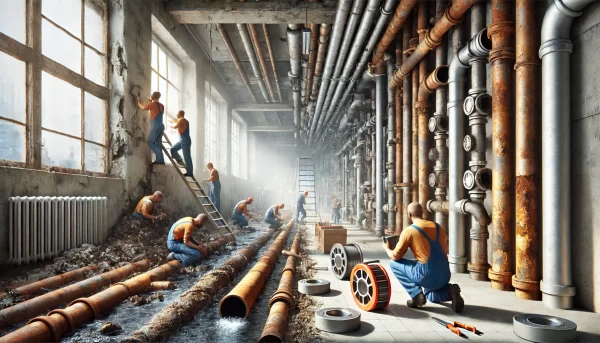
Plumbing is a vital component of your home, affecting everything from water quality to efficiency. If you’re dealing with corroded or outdated pipes, it’s imperative to address these issues promptly to prevent costly repairs and potential health hazards. This guide will help you understand the signs that indicate it’s time to replace your plumbing system, the benefits of upgrading, and the steps involved in the replacement process. Make informed decisions about your plumbing to ensure a safe and efficient living environment for you and your family.
Understanding Corrosion in Plumbing Systems
Your plumbing system is vital for your home’s functionality, but corrosion can silently undermine its effectiveness. This deterioration occurs when metal surfaces react with water and other environmental factors, leading to leaks or even total failure. Understanding corrosion is necessary to maintain the integrity and longevity of your plumbing system, ensuring it remains efficient and reliable for years to come.
Causes of Corrosion
Beside the natural aging of materials, several factors contribute to corrosion in plumbing systems. These can include water chemistry, the presence of oxygen, and environmental elements like humidity and temperature. Corrosive substances in water, such as chlorine or acidic compounds, can also accelerate the degradation of pipes. Identifying these causes can help in taking preventive measures.
Effects of Corrosion on Plumbing
Plumbing systems suffer various adverse effects due to corrosion, including reduced water pressure, leaks, and even complete pipe failures. The structural integrity of your pipes diminishes over time, leading to not only wasted resources but also potential damage to your property. This can result in costly repairs and, in some cases, health concerns related to contaminated water.
Due to the impact of corrosion, your plumbing can become a source of significant worry. As pipes fail, you could encounter ongoing leaks that cause water damage to your home’s foundation or walls, promoting mold growth. Additionally, corroded pipes may leach harmful substances into your drinking water, posing health risks to you and your family. Regular inspection and maintenance are key to mitigating these effects and ensuring your plumbing system remains in optimal condition.
Signs Your Plumbing System Needs Replacement
You may start to notice certain signs indicating that your plumbing system is due for replacement. These signs often relate to persistent issues that standard repairs can’t rectify, reflecting the overall age and condition of your system. Addressing these early can save you from more severe damages down the line.
Visible Damage and Leaks
Below the surface, watch for visible signs of damage or leaks throughout your home. Stains on your walls or ceilings, bulging drywall, or damp spots can indicate failing pipes that require replacement. If you find yourself frequently mopping up water or using buckets to catch leaks, it might be time to evaluate your plumbing infrastructure.
Water Quality Issues
To ensure your family’s health and safety, be attentive to any changes in your water quality. Discoloration, an unpleasant odor, or an unusual taste can signify that your plumbing system is deteriorating and may need replacement.
Hence, when dealing with water quality issues, don’t ignore the signs. Discolored water may indicate rusted or corroded pipes, while foul odors might stem from bacterial growth within older plumbing systems. Regularly testing your water can help detect these issues early, allowing you to take action before they escalate into bigger problems that require more extensive pipe repairs or replacements. Proper water quality is imperative for your health, making it vital to address these concerns promptly.
Choosing the Right Replacement Materials
Some factors to consider when selecting replacement plumbing materials include durability, cost, and compatibility with existing systems. Ensuring you choose materials that can withstand your property’s specific conditions will ultimately save you from frequent repairs and replacements. Your decision will influence the longevity and efficiency of your plumbing system, so take the time to weigh your options carefully.
Types of Plumbing Materials
Beside traditional materials, various modern options are available for plumbing systems:
- PEX (cross-linked polyethylene)
- CPVC (chlorinated polyvinyl chloride)
- ABS (acrylonitrile-butadiene-styrene)
- Cast Iron
- Copper
You should evaluate each based on your specific needs and budget.
Benefits of Modern Plumbing Solutions
One major advantage of modern plumbing materials is their enhanced efficiency, often resulting in reduced water usage and lower utility bills. Additionally, these materials typically offer greater resistance to corrosion and leaks, which can lead to increased longevity of your plumbing system.
With modern plumbing solutions, you are investing in systems that not only improve the functionality of your home but also increase its overall value. Newer materials and technologies often provide better thermal insulation, leading to diminished heating expenses. Moreover, advanced plumbing solutions are more flexible and easier to install, making the replacement process less disruptive to your daily life. By choosing the right materials, you enhance the resilience and performance of your plumbing system significantly.
Assessing Your Plumbing Needs
Now that you’ve decided to replace your plumbing system, it’s time to assess your plumbing needs. Consider the scale of the project and whether your current system meets the demands of your household. Evaluate factors such as water pressure, frequency of leaks, and any recurring issues with drainage. Understanding these elements will help you make informed decisions regarding necessary upgrades and ensure your new plumbing system is a perfect fit for your lifestyle.
Evaluating Current System Performance
Between identifying persistent leaks, low water pressure, or inefficient drainage, examining your current plumbing system’s performance is necessary. Conduct a thorough inspection and take note of any problematic areas. This analysis will not only highlight specific issues but also guide you in selecting solutions that address your unique plumbing requirements effectively.
Future-Proofing Your Installation
On the other hand, future-proofing your installation allows you to consider potential growth and changes in your household. By anticipating your long-term plumbing needs, you can implement solutions that accommodate additional fixtures or greater water capacity without frequent upgrades.
Your future-proofing strategy should include installing appliances and materials that are energy-efficient and durable, ensuring longevity and sustainability. Consider incorporating smart plumbing technology that can adapt to changing usage patterns, and future expansion possibilities such as new bathrooms or kitchens. By planning ahead, you not only invest in a reliable system but also enhance the overall value of your property.
Hiring a Professional for Replacement
After identifying the need for replacing your plumbing system, hiring a qualified professional becomes important. A knowledgeable plumber can assess your specific situation, provide effective solutions, and execute the installation process efficiently. This not only saves you time but also ensures that the work meets local codes and standards for safety and durability.
Selecting a Qualified Plumber
Professional plumbers should possess the right certifications, licensing, and experience relevant to your project. Look for reviews, referrals, and testimonials to gauge their reliability. Gathering multiple estimates will also help you understand the typical costs and avoid potential pitfalls in the hiring process.
Importance of Professional Installation
After choosing the right plumber, professional installation plays a significant role in the longevity and efficiency of your plumbing system. Improper installations can lead to leaks, water damage, and costly repairs, so quality workmanship is important.
Consequently, investing in professional installation helps ensure your plumbing system operates at peak performance. A qualified plumber will follow industry standards and ensure all connections are secure, which minimizes the risk of future issues. With a trustworthy professional handling your installation, you gain peace of mind knowing that your home’s plumbing will function reliably for years to come.
Maintenance Tips for New Plumbing Systems
Despite the excitement of having a new plumbing system, regular maintenance is crucial to ensure its longevity and efficiency. You can keep your system in top shape by following these tips:
- Inspect for leaks regularly
- Keep drains clear of debris
- Flush water heaters annually
- Monitor water pressure
- Schedule professional inspections
After implementing these tips, you can enjoy a reliable plumbing system that serves your home well.
Routine Inspection and Care
Systems require routine inspection and care to function optimally. It’s advisable to perform visual checks for signs of wear and tear at least twice a year. Look for leaks or corrosion in exposed pipes and check that your fixtures are functioning properly. Additionally, ensure that your drainage system remains clear by periodically using a plumber’s snake or drain cleaner for maintenance.
Common Troubleshooting Measures
On occasion, you may encounter issues with your plumbing system that require immediate attention. Knowing some common troubleshooting measures can save you time and frustration. Regularly check faucets and toilets for leaks, inspect your water heater for unusual noises, and keep an eye on your water bill for unexpected spikes in usage.
Plumbing problems can often be resolved by troubleshooting common issues. For instance, if you experience low water pressure, it could be due to clogged aerators or pipes. Tightening loose fixtures can eliminate leaks, while a simple reset of your water heater may address inconsistent temperatures. If you notice persistent or severe issues, don’t hesitate to contact a professional plumber for assistance.
Final Words
With this in mind, replacing corroded or outdated commercial plumbing systems is necessary for maintaining the integrity and efficiency of your home’s water supply. Not only can it prevent costly water damage and health risks associated with leaks or contaminated water, but upgrading your plumbing can also improve water flow and reduce utility bills. By investing in a modern plumbing system, you enhance your property’s value while ensuring a safe and reliable environment for your family. Taking proactive steps in this area will save you time, money, and inconvenience in the long run.