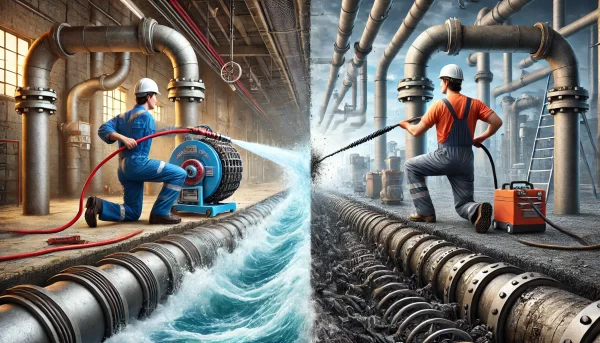
Clogged drains are a common plumbing issue that can disrupt daily routines and pose significant inconveniences. To effectively address these blockages, homeowners and businesses often rely on professional plumbing services that utilize specialized tools and techniques. Two of the most prevalent methods for clearing blocked drains are hydro jetting and snaking. Understanding the differences, benefits, and appropriate applications of each method is crucial for making informed decisions about maintaining a healthy plumbing system.
What is Snaking?
Snaking, also known as drain augering, is a traditional method used to clear blockages in plumbing pipes. This technique involves the use of a flexible, coiled cable called an auger, which is manually or mechanically fed into the drain to break up or retrieve the obstruction. Snaking is particularly effective for removing simple clogs caused by hair, grease, food particles, and other debris that can accumulate in pipes over time.
Types of Snakes
There are two primary types of snakes used in plumbing: manual snakes and motorized snakes. Manual snakes are operated by hand, allowing plumbers to feel the resistance and navigate bends in the pipes with greater precision. Motorized snakes, on the other hand, use electric or pneumatic power to propel the cable, making them suitable for tougher clogs and larger pipes. The choice between manual and motorized snakes depends on the severity and location of the blockage, as well as the plumber’s assessment of the situation.
Advantages of Snaking
Snaking is a cost-effective and straightforward method for clearing minor to moderate clogs. It is relatively quick and can be performed without the need for extensive equipment or preparation. Additionally, snaking is less likely to damage older or fragile pipes compared to more aggressive cleaning methods. For simple blockages, snaking provides an efficient solution that restores normal water flow without significant disruption.
What is Hydro Jetting?
Hydro jetting is a more advanced and powerful method for cleaning plumbing pipes. This technique involves the use of a high-pressure stream of water to remove blockages, debris, and buildup from the interior surfaces of pipes. Hydro jetting is highly effective for addressing severe clogs, extensive grease deposits, mineral scale, and root intrusions in sewer lines.
How Hydro Jetting Works
Hydro jetting equipment consists of a specialized hose equipped with a nozzle that emits water at extremely high pressures, often exceeding 3,000 PSI (pounds per square inch). The plumber inserts the nozzle into the drain or sewer line and activates the high-pressure water stream. The force of the water dislodges and washes away the obstruction, thoroughly cleaning the pipe walls and restoring optimal flow. Hydro jetting can also clear out hard-to-reach areas and complex pipe configurations that may be challenging for traditional snaking methods.
Advantages of Hydro Jetting
Hydro jetting offers a more comprehensive cleaning solution compared to snaking. It effectively removes stubborn clogs, grease buildup, and mineral deposits that can cause recurring blockages. By cleaning the pipes thoroughly, hydro jetting helps prevent future clogs and extends the lifespan of the plumbing system. Additionally, hydro jetting can eliminate unpleasant odors and improve overall pipe hygiene by removing biofilm and other organic matter that can harbor bacteria and mold.
Comparing Hydro Jetting and Snaking
While both hydro jetting and snaking are effective methods for clearing clogged drains, they differ significantly in their approach, effectiveness, and suitability for various types of blockages. Understanding these differences is essential for selecting the most appropriate method for specific plumbing issues.
Effectiveness
Snaking is generally effective for removing simple to moderate clogs caused by hair, grease, and small debris. It works by mechanically breaking up the obstruction or retrieving it from the pipe. However, snaking may struggle with more severe blockages, extensive grease buildup, mineral scale, or root intrusions, where the clog is firmly adhered to the pipe walls.
Hydro jetting, on the other hand, is highly effective for tackling severe and persistent clogs. The high-pressure water stream can dissolve and wash away even the most stubborn obstructions, ensuring a thorough cleaning of the pipes. Hydro jetting is particularly beneficial for commercial buildings or properties with large plumbing systems that experience heavy usage and significant buildup.
Cost
Snaking is typically more affordable than hydro jetting due to its simpler equipment and lower operational costs. For minor clogs, snaking provides a cost-effective solution that resolves the issue without significant expense.
Hydro jetting, while more expensive, offers a more comprehensive cleaning service that can prevent future clogs and reduce the need for repeated interventions. The higher initial cost is often justified by the long-term benefits of maintaining a clean and efficient plumbing system, especially in commercial settings where uninterrupted water flow is critical.
Pipe Condition
Snaking is generally safe for older or fragile pipes, as it uses a less aggressive approach to clear blockages. The mechanical action of the auger can navigate bends and joints without causing significant damage.
Hydro jetting, while highly effective, can pose a risk to older or damaged pipes if not performed correctly. The high-pressure water stream may exacerbate existing weaknesses or cracks in the pipes, leading to leaks or further damage. It is essential to assess the condition of the plumbing system before opting for hydro jetting and to hire experienced professionals who can adjust the pressure settings as needed.
Speed and Efficiency
Snaking is a relatively quick process for resolving simple clogs, often taking less than an hour depending on the severity and location of the blockage.
Hydro jetting may take longer to set up and perform, especially for extensive cleaning tasks. However, its ability to thoroughly clean the pipes can prevent the need for multiple snaking sessions in the future, ultimately saving time and reducing the frequency of plumbing interventions.
When to Choose Hydro Jetting
Below are situations when to choose hydro jetting:
- There are severe or stubborn clogs that snaking cannot effectively remove.
- Pipes have extensive grease buildup, mineral deposits, or biofilm that require thorough cleaning.
- Root intrusions are present in sewer lines, necessitating a powerful cleaning solution.
- Maintaining pipe hygiene and preventing future clogs is a priority, particularly in commercial settings.
- Regular maintenance is needed to ensure optimal plumbing system performance and longevity.
When to Choose Snaking
Snaking is the ideal choice when:
- The clog is caused by hair, grease, or small debris that can be easily broken up or retrieved.
- The plumbing system is older or has fragile pipes that require a less aggressive approach.
- Cost is a significant consideration, and a more affordable solution is preferred for minor to moderate clogs.
- A quick and straightforward resolution is needed without extensive equipment or preparation.
- Preventative maintenance is required to keep drains flowing smoothly without addressing severe buildup.
Combining Hydro Jetting and Snaking
In some cases, combining hydro jetting and snaking can provide the most effective solution for complex plumbing issues. Starting with snaking to break up or retrieve the initial clog can make hydro jetting more efficient by removing remaining debris and thoroughly cleaning the pipes. This combined approach ensures a comprehensive resolution to stubborn blockages and helps maintain a clean and efficient plumbing system.
Maintenance Tips to Prevent Clogged Drains
Regardless of whether you choose hydro jetting or snaking, implementing regular maintenance practices can help prevent future clogs and extend the lifespan of your plumbing system. Here are some essential tips:
- Use Drain Guards: Install drain guards or strainers to catch hair, food particles, and other debris before they enter the pipes. Clean the guards regularly to maintain their effectiveness.
- Avoid Grease Disposal: Do not pour grease, oil, or fat down the kitchen sink. Instead, collect them in a container and dispose of them in the trash once they have solidified.
- Be Mindful of What You Flush: Only flush toilet paper and human waste down the toilet. Avoid flushing sanitary products, wipes, and other non-degradable items.
- Regular Flushing: Periodically flush your drains with hot water or a mixture of baking soda and vinegar to help dissolve minor buildups and maintain clear pipes.
- Tree Root Control: For properties with large trees, consider installing root barriers around sewer lines to prevent root intrusions. Regular inspections can also help identify and address root-related issues early.
- Water Softening: In areas with hard water, install a water softener to reduce mineral buildup and prevent scale formation inside pipes.
- Professional Inspections: Schedule regular inspections with a professional plumber to identify potential issues and perform preventative maintenance, such as hydro jetting or snaking, before severe clogs develop.
Environmental Considerations
Both hydro jetting and snaking have environmental implications that should be considered when choosing a method for clearing clogged drains. Snaking is generally more environmentally friendly as it uses minimal water and does not introduce chemicals into the plumbing system. However, improper disposal of retrieved debris can pose environmental hazards.
Hydro jetting, while highly effective, consumes more water due to the high-pressure stream used for cleaning. Additionally, the thorough cleaning can release trapped contaminants into the wastewater system, potentially impacting water treatment processes. To mitigate these effects, ensure that hydro jetting is performed by licensed professionals who adhere to environmentally responsible practices, such as containing and properly disposing of debris and minimizing water usage.
Safety Precautions
Both hydro jetting and snaking involve certain safety risks that must be managed to prevent accidents and damage to the plumbing system.
Snaking Safety Precautions:
- Protective Gear: Plumbers should wear gloves and eye protection to shield against debris and splashes.
- Proper Handling: The auger should be handled with care to prevent injury and avoid damaging pipes.
- Assess Pipe Condition: Before snaking, assess the condition of the pipes to ensure they can withstand the mechanical force of the auger.
Hydro Jetting Safety Precautions:
- Pressure Control: Adjust the water pressure according to the pipe condition to prevent pipe damage.
- Proper Training: Only trained and experienced plumbers should operate hydro jetting equipment.
- Protective Equipment: Plumbers should use appropriate protective gear, including gloves, eye protection, and hearing protection, due to the high-pressure water stream and noise levels.
- System Shutdown: Ensure that the plumbing system is properly shut down before beginning hydro jetting to prevent water damage and accidents.
Cost Considerations
The cost of hydro jetting and snaking can vary based on several factors, including the severity of the clog, the location of the blockage, the type of plumbing system, and the local market rates for plumbing services.
Snaking Costs:
- Average Cost: Snaking typically costs between $100 and $300, depending on the complexity and length of the drain line.
- Factors Influencing Cost: The type of snake used (manual vs. motorized), the accessibility of the drain, and the plumber’s hourly rate can affect the overall cost.
- Affordability: Snaking is generally more affordable for minor to moderate clogs, making it a cost-effective solution for routine maintenance and simple blockages.
Hydro Jetting Costs:
- Average Cost: Hydro jetting can range from $300 to $600 or more, depending on the extent of the blockage and the size of the plumbing system.
- Factors Influencing Cost: The pressure level required, the length and diameter of the pipes, and the need for additional equipment or repairs can increase the cost.
- Long-Term Savings: Although hydro jetting is more expensive upfront, its ability to thoroughly clean pipes and prevent future clogs can result in long-term savings by reducing the frequency of plumbing issues and the need for repeated interventions.
Choosing the Right Method for Your Needs
Selecting between hydro jetting and snaking depends on the specific circumstances of your plumbing issue. Here are some guidelines to help you make the right choice:
- Assess the Severity of the Clog: For minor to moderate clogs, snaking is often sufficient. For severe or stubborn blockages, hydro jetting may be necessary.
- Evaluate the Pipe Condition: Older or fragile pipes may be better suited for snaking to avoid damage, whereas newer or more robust pipes can handle the high-pressure cleaning of hydro jetting.
- Consider Long-Term Maintenance: If you are experiencing recurring clogs or have a history of plumbing issues, hydro jetting can provide a more thorough cleaning and prevent future problems.
- Budget Constraints: If cost is a primary concern and the clog is not severe, snaking offers a more affordable solution. For comprehensive cleaning and long-term benefits, investing in hydro jetting may be worthwhile.
- Professional Advice: Consulting with a licensed plumber can provide valuable insights into the most appropriate method based on your plumbing system’s condition and the nature of the blockage.
Combining Methods for Optimal Results
In some cases, combining snaking and hydro jetting can offer the best results for clearing and maintaining your plumbing system. Starting with snaking to break up or retrieve the initial clog can make hydro jetting more effective by removing residual debris and thoroughly cleaning the pipes. This combined approach ensures a comprehensive solution, addressing both the immediate blockage and preventing future buildups.
Environmental and Sustainability Considerations
When choosing between hydro jetting and snaking, it is important to consider their environmental impact. Snaking is generally more environmentally friendly due to its lower water usage and minimal introduction of contaminants into the plumbing system. However, ensuring proper disposal of retrieved debris is essential to prevent environmental contamination.
Hydro jetting, while effective, uses a larger volume of water and can release more contaminants into the wastewater system. To minimize environmental impact, it is crucial to perform hydro jetting responsibly by containing debris and avoiding the use of harsh chemicals that can harm the environment. Choosing eco-friendly plumbing services that prioritize sustainable practices can help reduce the ecological footprint of your plumbing maintenance.
Technological Advancements in Drain Cleaning
Both hydro jetting and snaking have benefited from technological advancements, enhancing their effectiveness and efficiency.
Snaking Innovations:
- Power Augers: Modern motorized snakes can deliver higher torque and more power, making them more effective at breaking through tough clogs.
- Flexible Cables: Improved materials and design have led to more flexible and durable cables that can navigate complex pipe systems with ease.
- Enhanced Control Systems: Advanced control systems allow plumbers to better manage the snake’s movement and torque, reducing the risk of pipe damage.
Hydro Jetting Innovations:
- Variable Pressure Settings: Modern hydro jetting equipment can adjust pressure levels based on the pipe condition, providing more precise and controlled cleaning.
- Eco-Friendly Nozzles: New nozzle designs minimize water usage and optimize cleaning efficiency, reducing the environmental impact.
- Integrated Monitoring Systems: Advanced monitoring systems provide real-time feedback on the cleaning process, allowing plumbers to adjust techniques for optimal results.
These technological improvements have made both hydro jetting and snaking more effective, safer, and environmentally friendly, enhancing their roles in modern plumbing maintenance.
Future Trends in Drain Cleaning
The plumbing industry continues to evolve with advancements in technology and eco-friendly practices. Future trends in drain cleaning may include:
- Automated and Smart Systems: Integration of smart technology with drain cleaning tools, allowing for remote monitoring and automated maintenance schedules.
- Eco-Friendly Cleaning Solutions: Development of environmentally friendly cleaning agents that effectively break down clogs without harming the plumbing system or the environment.
- Enhanced Safety Features: Improved safety mechanisms in hydro jetting and snaking equipment to further protect plumbers and plumbing infrastructure.
- Advanced Diagnostic Tools: Utilization of AI and machine learning to predict potential clogs and optimize maintenance schedules based on usage patterns and pipe conditions.
These trends aim to make drain cleaning more efficient, safe, and sustainable, enhancing the overall effectiveness of plumbing maintenance.
Conclusion
Hydro jetting and snaking are both essential techniques in the arsenal of professional plumbers, each offering distinct advantages depending on the nature and severity of the drain blockage. Snaking is a cost-effective and efficient solution for minor to moderate clogs, making it ideal for routine maintenance and simple obstructions. Hydro jetting, with its powerful high-pressure water stream, excels at addressing severe clogs, extensive buildup, and root intrusions, providing a thorough cleaning that prevents future issues.